


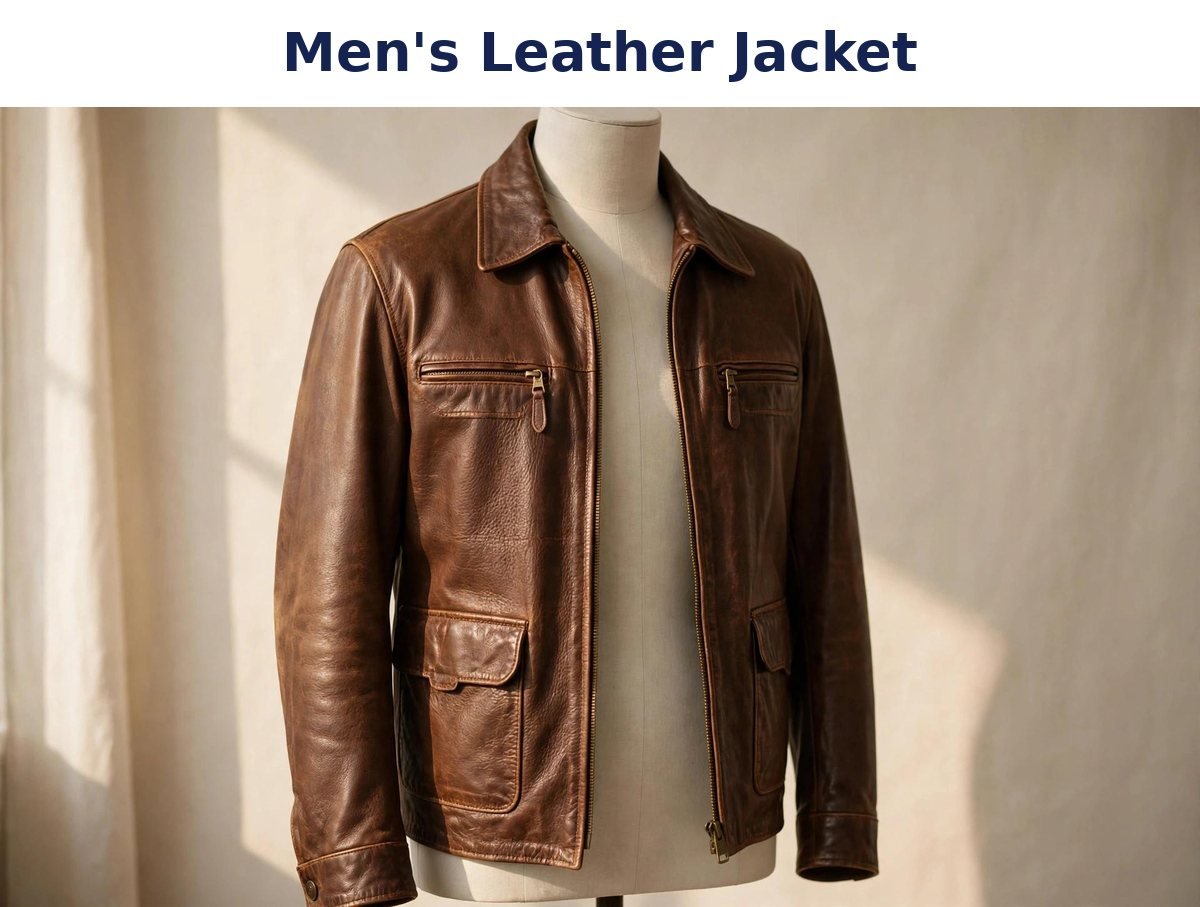
Few pieces of clothing carry as much history, character, and staying power as a men’s leather jacket. It has been worn by pilots, bikers, musicians, actors, and everyday men who simply wanted a jacket that looked good and lasted. Trends come and go, but a well-chosen leather jacket rarely looks out of place, and unlike most fashion buys, it often looks better the more you wear it.
That said, buying one can feel overwhelming. There are different styles, different types of leather, different fits, and a wide range of prices. This guide cuts through the confusion. It explains what to look for, how to find your fit, how to care for your jacket, and how to avoid the common mistakes that turn a great purchase into an expensive regret.
Why a Leather Jacket Is Worth Considering
A good men’s leather jacket is not a one-season purchase. It is an investment in something you can wear for years, often for a decade or more with proper care. Leather is naturally tough, wind-resistant, and durable, which makes it practical as well as stylish. It breaks in gradually, moulding to your body and developing a unique patina, the soft sheen and subtle marks that tell the story of where the jacket has been.
It is also remarkably versatile. The same jacket can work on a motorcycle, on a night out, on a weekend trip, or layered over a hoodie on a cold day. Few other jackets move so easily between casual and smart-casual settings. Dress it down with jeans and boots, or dress it up with dark trousers and a clean shirt, and it still looks right.
Of course, not every leather jacket is worth its price. Quality varies enormously, and a cheap jacket made from poor leather can look tired within a year. That is why understanding the basics before you buy matters so much.
The Main Styles of Men’s Leather Jacket
Style is the first decision to make, because it shapes everything else, from how the jacket fits to what you wear it with. Here are the classics that have stood the test of time.
The Biker Jacket
The biker jacket, also called a moto jacket, is the most recognisable of all. It usually has an asymmetrical zip, wide lapels, belted waist, and zippered pockets. Originally designed for motorcyclists, it offers extra protection and a bold, confident look. It pairs naturally with jeans, boots, and a simple tee, and it suits men who like a jacket with attitude.
The Bomber Jacket
The bomber is shorter, with a fitted waistband and cuffs, and a clean, rounded shape. It came from military flight jackets, and it remains one of the easiest styles to wear. It works well for most body types, layers comfortably over a hoodie or sweater, and looks good with both jeans and chinos. If you want one leather jacket that does a bit of everything, the bomber is often the safest choice.
The Racer Jacket
The racer, sometimes called a cafe racer, is a stripped-back, minimalist style with a small stand-up collar and a straight zip. It has no big lapels and no excess hardware, which gives it a sleek, modern feel. It is a great option if you prefer clean lines and a jacket that does not shout for attention.
The Flight Jacket
Flight jackets tend to be roomier, warmer, and often lined with shearling or faux shearling around the collar. They are built for cold weather and comfort, and they have a rugged, vintage charm. They work best in autumn and winter, layered over knitwear.
The Trucker Jacket
The leather trucker takes the familiar denim trucker shape and makes it in leather. It is structured, button-fronted, and slightly boxy, with chest pockets and a clean silhouette. It is a good choice if you want something smart but not formal, and it layers well over shirts and thin sweaters.
Each style has its own character, so think about your wardrobe and your daily life. A biker jacket makes a statement. A bomber blends in anywhere. A racer looks sharp and minimal. Choose the one you will actually reach for, not just the one that looks best in a photograph.
Types of Leather: What You Are Really Paying For
Leather quality is where the biggest differences hide, and it is worth understanding the main terms you will see on labels.
Full-Grain Leather
Full-grain leather is the top layer of the hide, with its natural grain intact. It is the most durable and the most expensive option, and it develops the richest patina over time. Scratches and marks become part of its character rather than flaws. If you want a jacket for life, full-grain is the gold standard.
Top-Grain Leather
Top-grain leather is the second layer, sanded and finished for a more uniform look. It is slightly less durable than full-grain but still very good, and it is often softer and more consistent in appearance. Many excellent jackets are made from top-grain leather, and it offers a good balance of quality and price.
Genuine Leather
Despite the reassuring name, “genuine leather” is actually a lower grade. It is made from the layers left after the top layers are removed, and it is less durable and less able to develop a beautiful patina. It can still look fine when new, but it is unlikely to age as gracefully. Do not assume that genuine means best, because in leather grading, it does not.
Lambskin
Lambskin is exceptionally soft, lightweight, and smooth. It drapes beautifully and feels luxurious against the skin. The trade-off is that it is more delicate than cowhide and more prone to scratches, so it suits careful wearers and smarter occasions rather than rough daily use.
Cowhide
Cowhide is thicker, tougher, and heavier than lambskin. It takes longer to break in, but it handles hard wear, weather, and years of use with ease. If you want a jacket for riding, outdoor work, or everyday rugged use, cowhide is usually the practical choice.
Suede
Suede is leather with a napped, velvety surface. It looks soft and stylish, but it is more vulnerable to water, stains, and scuffs than smooth leather. A suede jacket can be beautiful, but it needs more careful handling and weather protection.
Table — Leather Type / Feel / Durability / Best For: Full-grain — Firm at first, softens beautifully — Excellent — A jacket for life. Top-grain — Soft, uniform — Very good — Everyday quality. Genuine leather — Varies, often thinner — Moderate — Budget-friendly options. Lambskin — Very soft, light — Moderate — Smart, dressier wear. Cowhide — Thick, sturdy — Excellent — Riding and hard daily use. Suede — Soft, velvety — Lower — Style-focused, dry-weather wear.
When you compare prices, remember that leather type is usually the biggest reason one jacket costs far more than another that looks similar in a photo. Prices vary by retailer, brand, leather grade, and construction, so check the official listing for the exact jacket you are considering rather than assuming a price you saw elsewhere still applies.
Finding the Right Fit
Fit makes or breaks a leather jacket. A great jacket in the wrong size will look either boxy or cramped, and it will never feel quite right.
How It Should Fit
A men’s leather jacket should fit close to the body without feeling tight. The shoulders should sit right on your shoulder line, not droop past it and not pull inward. You should be able to zip it up comfortably over a t-shirt, and with a little room for a thin sweater underneath if you plan to layer. The sleeves should end around your wrist bone when your arms hang naturally. The body length depends on the style, but bombers and bikers usually end around the waistband of your trousers.
Trying It On
When you try a jacket on, move in it. Raise your arms, sit down, bend forward, and zip and unzip it a few times. Leather feels stiff at first, especially cowhide, and it will soften with wear, but it should never feel painfully tight across the chest or shoulders on day one. A little snugness is normal. Restriction is not.
Layering
Think about when you will wear the jacket most. If it is mainly a spring and autumn jacket over a t-shirt, a closer fit works well. If you want to layer it over hoodies and knitwear in winter, you may need a slightly roomier size, or a style with a warmer lining. Buying with your real wardrobe in mind, rather than an imagined one, saves a lot of returns.
Common Fit Mistakes
- Too big: The shoulders droop, the body billows, and the jacket looks borrowed rather than owned.
- Too small: The zip strains, the shoulders pull, and you cannot layer anything underneath.
- Sleeves too long: They bunch at the wrist and make the jacket look oversized, even if the body fits.
- Ignoring the break-in: New leather softens and moulds to you over weeks. Judge the fit on comfort and movement, not just on first stiffness.
Colours: Black, Brown, or Something Else?
Black is the classic choice, and for good reason. It is bold, versatile, and suits almost everything. A black biker or racer jacket is a timeless piece that will never look dated.
Brown is warmer and slightly more casual. It pairs beautifully with denim, earth tones, and boots, and it develops a particularly attractive patina over time. Dark brown is more versatile than light tan for everyday wear, while tan and cognac shades make more of a statement and work best in milder weather with lighter outfits.
Other colours, like navy, olive, or burgundy, can look excellent, but they are harder to match and may date faster. If this is your first leather jacket, black or dark brown is usually the wisest investment. If you already own one, a second colour can add variety to your wardrobe.
How to Style a Men’s Leather Jacket
A leather jacket does most of the work on its own, so the rest of your outfit can stay simple. That simplicity is part of its appeal.
- Casual weekend: leather jacket, plain white or black tee, slim jeans, and boots or clean trainers.
- Smart casual: leather jacket over a shirt, dark trousers or chinos, and leather shoes. Keep the shirt simple and the colours muted.
- Layered for cold weather: jacket over a hoodie or crew-neck sweater, with jeans and boots. A scarf adds warmth without fuss.
- Night out: black leather jacket, dark jeans, a fitted tee or shirt, and boots. Minimal accessories work best.
- Travel: jacket, comfortable tee, stretch jeans or joggers, and easy shoes. Leather handles travel well and looks better on arrival than most jackets.
The main rule is balance. Because the jacket is a strong piece, avoid pairing it with too many other loud items. Let it be the focus, and keep everything else clean and simple.
Caring for Your Leather Jacket
Leather is a natural material, and a little care goes a long way. Done right, your jacket will age gracefully instead of drying out, cracking, or losing its shape.
- Keep it dry. Leather does not like soaking rain. If your jacket gets wet, let it air dry naturally at room temperature, away from radiators and direct heat. Never use a hairdryer on it.
- Condition occasionally. A good leather conditioner, applied sparingly a few times a year, keeps the leather supple and prevents cracking. Always test a new product on a hidden area first.
- Clean gently. Wipe off dust and dirt with a soft, dry cloth. For marks, use a damp cloth and mild soap, and avoid harsh chemicals or abrasive cleaners.
- Store it properly. Hang your jacket on a wide, sturdy hanger in a cool, dry place with air circulation. Avoid plastic bags, which trap moisture, and avoid folding it for long periods, which can crease the leather permanently.
- Protect it from sun and heat. Prolonged direct sunlight can fade colour and dry leather out. Store it away from windows and heat sources when you are not wearing it.
- Deal with scuffs calmly. Small scuffs are part of leather’s character and often fade with conditioning. Deeper damage may need a professional leather repairer rather than a home fix.
Suede needs different care, including a suede protector spray and a suede brush, so check the care label and use products made for suede if your jacket is suede rather than smooth leather.
Buying Tips: How to Avoid Regret
Buying a men’s leather jacket is a bigger decision than buying a t-shirt, so it pays to slow down and check a few things before you commit.
- Check the leather type on the label. Full-grain and top-grain are usually worth paying more for. Be wary of vague descriptions that do not name the leather grade.
- Inspect the construction. Look at the stitching, zips, lining, and hardware. Straight, even stitching, smooth zips, and solid hardware are signs of a well-made jacket.
- Try it on, or check returns. If you buy online, make sure you can exchange sizes easily. Fit is too important to gamble on.
- Compare like with like. A low price may mean lower-grade leather, thinner lining, or weaker hardware. Compare jackets of the same leather type and construction before judging value.
- Buy from trusted sellers. Counterfeit and mislabelled leather is a real problem online. Trusted retailers and official listings are the safest route, and prices vary by retailer and model, so verify the current price on the official listing.
- Think long term. A jacket you love and wear for ten years is better value than a cheaper one you stop wearing after one season, even if the upfront price is higher.
Do not claim or assume a jacket is currently in stock. Availability changes frequently by size, colour, and retailer, so always check the seller’s listing at the time you buy.
Frequently Asked Questions
Is a men’s leather jacket worth it?
For most men, yes, if you choose good leather and a style you will actually wear. A well-made jacket lasts for years, works across seasons, and suits many outfits, which makes the cost per wear very reasonable over time.
What is the best leather for a jacket?
Full-grain leather is generally considered the best for durability and ageing, while top-grain offers excellent quality at a slightly lower price. Lambskin is best for softness and smart wear, and cowhide is best for toughness and everyday rugged use. The right choice depends on how you will wear it.
How should a leather jacket fit?
It should fit close to the body with shoulders on your shoulder line, sleeves ending near the wrist, and enough room to zip comfortably over a t-shirt, plus a thin layer if you plan to layer. It should feel snug but not restrictive when new, as leather softens with wear.
How do you break in a leather jacket?
Wear it regularly. Movement, body heat, and time soften leather naturally. Avoid shortcuts like excessive bending, harsh treatments, or artificial distressing, which can damage the jacket. Conditioning occasionally also helps the break-in process.
Can you wear a leather jacket in the rain?
Light rain is usually fine, especially for smooth leather, but heavy soaking should be avoided. If it gets wet, air dry it naturally and condition it afterwards. Suede is much more vulnerable to water and should be protected with a suitable spray.
How do you clean a leather jacket?
Wipe it with a soft cloth, spot-clean with mild soap and water when needed, condition occasionally, and store it on a wide hanger away from heat and sunlight. Avoid machine washing, harsh chemicals, and direct heat at all times.
What should you wear with a leather jacket?
Keep it simple. Jeans, a plain tee, and boots are the classic combination. For smarter occasions, pair it with dark trousers and a clean shirt. Let the jacket be the focal point and keep the rest of the outfit understated.
Conclusion
A men’s leather jacket is one of those rare purchases that combines style, practicality, and longevity. It does not need to be the most expensive jacket you can find, but it does need to be the right one: the right style for your life, the right leather for how you will wear it, and the right fit for your body.
Take your time, try jackets on when you can, check the leather grade and construction, and buy from a seller you trust. Do that, and you will not just own a jacket. You will own a piece that grows more personal every year you wear it, and that still looks good long after most of your wardrobe has been replaced.
Read Also: Adidas Women’s UltraBoost 1.0 (2026 Guide)